The Hokianga Renaissance: A New Golden Era for Rawene
Rawene sits at a point where Aotearoa New Zealand’s spiritual and historical foundations converge. Yet Rawene is not a place frozen in time. A quiet revitalisation is underway, honouring its heritage while embracing a new energy; an evolution that signals the beginning of the town’s next golden era.
From the arrival of Kupe to the signing of Te Tiriti o Waitangi and the settlement of European pioneers, the land and harbour are layered with history. Wrapped on three sides by water, Rawene resists easy description. Its defining qualities are seen in the shifting harbour light at dusk, how the sun strikes the water, how mist clings to mangroves at dawn, and how the night sky opens in a canopy of stars. There is a particular stillness here, a quality of light that feels elemental, giving the place an atmosphere that is almost — but never quite — graspable.
A Town That History Built
To understand Rawene, one must understand its place within New Zealand’s story. The Hokianga is Ngāpuhi whenua—home to the country’s largest iwi—and a place of profound ancestral significance. This was the domain of Kupe: a place of arrival, departure, and return. The relationship between people and land here is foundational. Māori values shape daily life through manaakitanga—hospitality, care, and mutual responsibility. This cultural continuity gives Rawene a sense of stability and connectedness that is rare in the accelerated rhythms of urban centres. To commit to this place is not simply to acquire property, but to enter an ongoing narrative that stretches back close to a millennium.
European settlers later recognised the harbour’s advantages, establishing timber mills and shipyards in the early nineteenth century. Rawene grew into a centre of commerce, its streets lined with kauri buildings reflecting the ambition of a young colonial town. Many of these structures remain today—not as relics, but as active, inhabited buildings—giving Rawene its distinctive architectural character and the palpable presence of another era.
Restoring an Icon
The most visible sign of Rawene’s revitalisation is the restoration of its heritage centre. At the heart of this is the historic Masonic Hotel. Built in 1879, this kauri icon has witnessed the town's shifting fortunes for over 140 years. Once a shadow of its former self, it is now the centerpiece of a major restoration project. The new owners are meticulously bringing the Masonic back to its former glory, focusing on heritage authenticity while preparing it for a modern market. With seven large bedrooms featuring private ensuites, the hotel is set to become the backbone of Rawene’s premium accommodation sector.
As it nears completion, the hotel will once again serve as the community’s social hub—a place where locals and tourists share stories over food and drinks. For investors, the Masonic represents the "anchor tenant" effect with landmark restorations often boosting confidence and surrounding property values.
Cultural Connection
Art has long been a sustaining presence in the Hokianga, and the region is experiencing a quiet renaissance. Galleries in Rawene, Kohukohu, and Opononi form an informal art trail, drawing national attention. In 2013, the historic Andrewes General Store—dating from the early twentieth century—was restored and is now No. 1 Parnell, a gathering place for locals and visitors. People come for coffee, to watch life unfold across the harbour, to browse work by regional artists, books by Far North writers, and a curated designer fashion boutique.
Just beyond the town, the former 1876 Methodist Church has been repurposed as an artists’ retreat, hosting national and international creators. The recent arrival of Chris Wilkie, a nationally renowned artist, further complements the town’s profile. After 33 years in Kaikohe, Wilkie chose Rawene for his new gallery, describing the town as a "thriving cultural wave" where landscape and ancestry "ghost together." Creative communities often act as early indicators of long-term desirability: where artists settle, galleries flourish, and investment tends to follow.
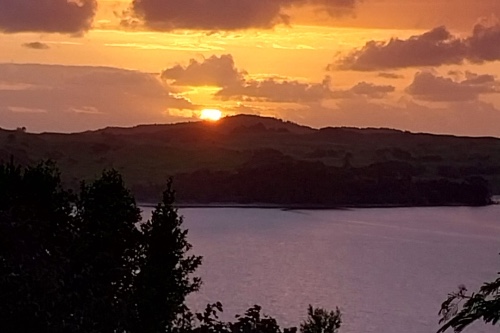
Sarah says "Kohukohu is one of those special places where time seems to slow down. What I love most is its soul, its peace and tranquility, and the breath-taking sunsets over the harbour"
Contact Sara Brandt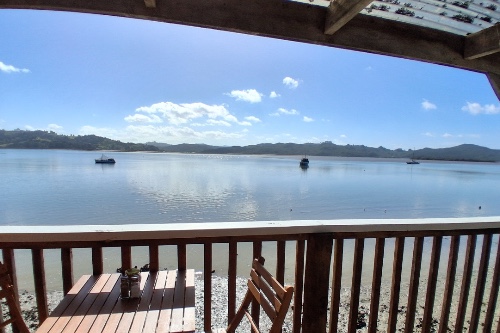
Lara says "Life in Rawene offers a peaceful Hokianga harbour lifestyle where friendly community spirit, rich history, and stunning water views combine to create a relaxed pace of living that’s hard to beat."
Contact Lara Robus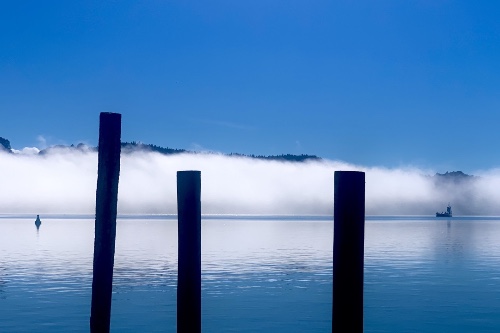
Emma says "I am fascinated by the way the mist settles over the Hokianga Harbour. Between the rugged beauty of the West Coast and the warmth of the people who call it home, it’s a place where I find my peace."
Contact Emma Rich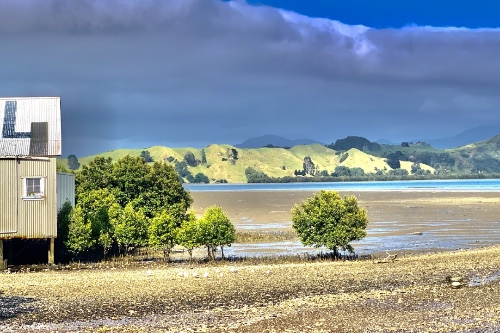
Suzy says "What draws me to Rawene is the unbroken thread of history woven into the present. It’s not a static memory trapped behind glass, but a living legacy found in the restored timber buildingsg and the timeless beauty of its harbour sunsets"
Contact Suzy CarmodyThe Waterfront Buzz
There is a palpable new energy on the streets, fuelled by a younger generation returning to their roots to take the reins at local hospitality icons. The Boatshed Cafe has reopened under the family ownership of Holli Pellew and Storm Tautari. Holli and her sisters worked here as teenagers and have returned with a fresh perspective on menu favourites. Hokianga locals Rhiannah and Scott Land have recently taken the helm at Cafe Eden in the No.1 Parnell gallery. Rhiannah understands the importance of looking after locals. She brings signature warmth to every guest, serving healthy "comfort kai” from artisanal pies to real fruit ice cream, all freshly prepared in-house. This renewal reflects more than business change. It signals confidence in the town’s future. Hospitality venues are not only economic drivers but social anchors, sustaining year-round vibrancy for residents and visitors alike.
Rawene is also home to a community of musicians performing in local halls and cafes. Events like the Hokianga Country Music Festival and local fundraising concerts bring hundreds of visitors, creating a festive atmosphere and supporting the maintenance of public assets. These events add a layer of lifestyle diversity that is hard to find in larger, more anonymous cities.
Heart of the Hokianga
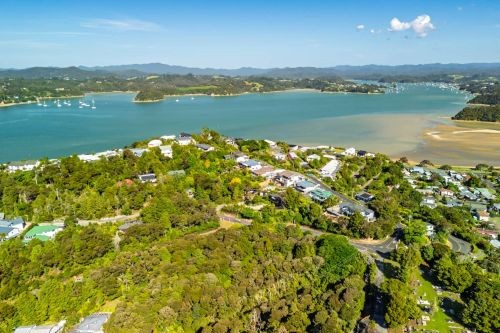
From a real estate perspective, Rawene possesses a geographical advantage almost impossible to replicate. Due to its unique topography—a peninsula jutting into the Hokianga—almost every home in the village enjoys a water view. Whether it is spectacular sunsets or the golden light of sunrise, the visual dividends are constant. Despite its size, Rawene functions as a central hub for the Hokianga, offering infrastructure rarely found in small towns. The presence of the Rawene Hospital, managed by Hauora Hokianga, provides free health care to the enrolled residents of Hokianga. Ensuring health security is attractive to families and retirees.
The town is supported by a St Johns Ambulance Station, a Fire Station, and a Police Station with a resident officer. Daily conveniences like the Rawene Foodmart, Post Office, and Wardy’s fresh produce shop provide everything one needs at the harbour’s edge. Rawene also boasts a garage for petrol and repairs. Education is well-catered for, with a Playcentre, Te Kōhanga Reo, and Primary School ensuring Rawene remains a viable choice for families.
The intellectual life of the town is robust. The library is housed in the old Courthouse, which still features its original jail house, a reminder to return your books on time! For those seeking active pursuits, there is a nine-hole golf course, a Bowling Club, a gym, and a boat ramp for fishing and boating. The social fabric is woven tight through clubs ranging from chess and books to cooking, and traditional crafts. This variety ensures new residents are quickly integrated into a community that values participation and connection.
Tourism Drawcard
As a tourism destination, Rawene is perfectly positioned on the Twin Coast Discovery Highway, connecting the town to Opononi and Omapere to the west and Kerikeri and the Bay of Islands to the east. The town is a vital stop for the Tour Aotearoa cycling event. Enhancing the maritime appeal is the Ranui, a historic motor launch that transports cyclists and offers historic tours and sunset cruises. The car ferry provides a link to the north side of the Hokianga, making Rawene a central node for tourism. This steady stream of visitors supports accommodation providers, cafés, galleries, and local businesses, strengthening the local economy.
A Community of Kindness
While heritage and views are the "hooks," the true "hold" of Rawene is its people. Residents recognize that Rawene offers a quality of life unattainable in cities. Here, rush hour is waiting for the ferry, and the boardroom is a cafe table overlooking the tide. In an era where social isolation is a growing concern, Rawene offers a more connected way of living. Ask any resident, and they will tell you: this is a place where people know your name. Kindness is the local currency. Whether it’s the community rallying for a fundraiser or the drop-in of a neighbour, there is a sense of belonging felt immediately. The community spirit is inclusive and fiercely protective of the town’s character. This social cohesion is not simply a lifestyle - it is a way of living that prioritises belonging.
Your Invitation to the Renaissance
Compared with major centres, Rawene offers waterfront living and heritage character at a fraction of metropolitan prices, attracting retirees, remote professionals, creatives, and investors seeking long-term value. Heritage towns undergoing genuine, community-led revitalisation represent some of the most enduring value in New Zealand real estate. Rawene is not being reinvented from the outside—it is a town rediscovering itself. We are witnessing the start of a next-generation golden era. The combination of history, modern infrastructure, and a thriving cultural scene makes Rawene a unique proposition.
We publish monthly Residential and Rental Market Updates - you can read them here.
Read the latest real estate news from Barfoot & Thompson here.
Looking to invest in property and become a landlord? Read the latest in property management here.