
Built for Better
How sustainability is reshaping the way New Zealand works
There was a time when ‘going green’ meant sticking a pot plant by the printer. These days, sustainability has moved front and centre - shaping how we build, lease, and even experience our workspaces.

The green shift isn’t just changing how offices look - it’s changing how they perform. Efficiency, wellbeing and carbon costs now sit alongside rent and location as deal-breakers in commercial property. That’s driving a new kind of workplace design, one built for both people and the planet.
In Auckland, new builds are chasing Green Star and NABERSNZ ratings, solar panels are edging out tinted glass, and EV charging bays are now as common as boardrooms. This isn’t about bragging rights. It’s about running costs, retention and responsibility - the new trio of business sense.
Designing for wellbeing
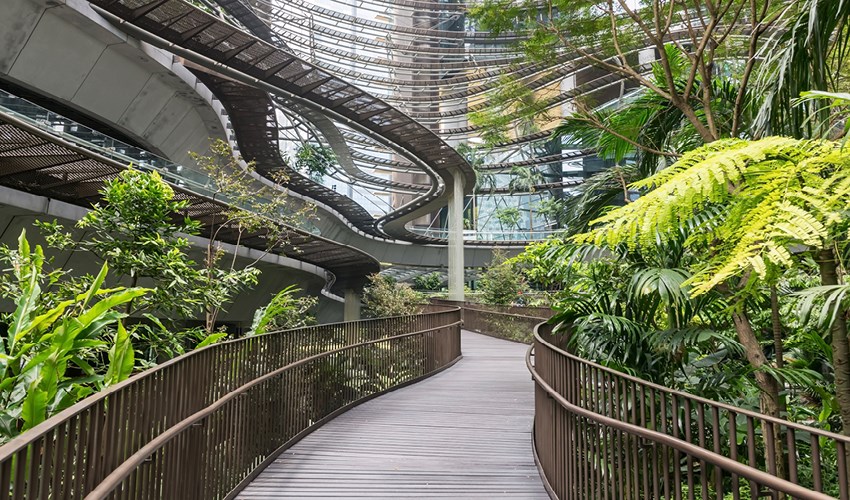
Open a window. Let the light in. Seems simple, but research keeps proving what common sense already knows: we feel better and work better in healthier spaces. Auckland’s latest office refurbishments are embracing that idea - think green walls (real plants, not paint) replacing feature walls, outdoor meeting pods that double as lunchtime hangouts, and ventilation systems that bring in fresh air instead of recycling it.
At the same time, a retrofit revolution is quietly reshaping the city skyline
Rather than demolish and rebuild, many developers are choosing to upgrade what’s already standing - stripping back, recladding, and re-wiring to modern standards. It saves on materials, cuts waste and keeps the carbon footprint in check. With space for new builds at a premium, repurposing existing stock has become one of the most practical ways to future-proof the city.
Counting carbon, cutting costs
The green factor has become a serious line item - with carbon emissions now a big part of the equation. New Zealand’s Zero Carbon Act set the path to net-zero by 2050, and while it doesn’t directly target commercial buildings, it’s reshaping the landscape around them. Large corporates must now disclose their environmental impact, investors are factoring climate performance into decisions, and attention is turning to one of the biggest contributors - the built environment. For owners, performance on paper is no longer enough. Tenants want proof - credible energy ratings, verified data, and clear evidence that a building’s footprint is improving year on year.
Those who can’t show progress risk being left behind when lease renewals roll around. Rising carbon prices under the Emissions Trading Scheme are already lifting energy costs, and the flow-on effect is clear: inefficient buildings are becoming more expensive to operate. The flipside is opportunity - energy-efficient, low-impact buildings attract stronger tenants, lower outgoings, and longer leases. Sustainability has shifted from aspiration to expectation. For those who can quantify their carbon advantage, it’s fast becoming a competitive one.
A distinctly New Zealand approach
Here, the push toward greener workplaces feels less like policy and more like personality. Kiwis value what’s real - natural light, clean air, a sense of balance. The same instincts that make us protect the coastlines and bush tracks are now shaping our cities too. Sustainable buildings aren’t about ticking boxes; they’re about reflecting who we are. Working smarter. Treading lighter. Creating spaces that do right by the people inside - and the world outside