Spaces that Speak
How office design is becoming the ultimate brand storyteller
You can tell a lot about a company by the way its office feels. Not in the logo on the wall or the artwork in reception, but in the air itself - the way people talk, move, and occupy the space. A room can carry the rhythm of an organisation, the small signals that tell you what it values.
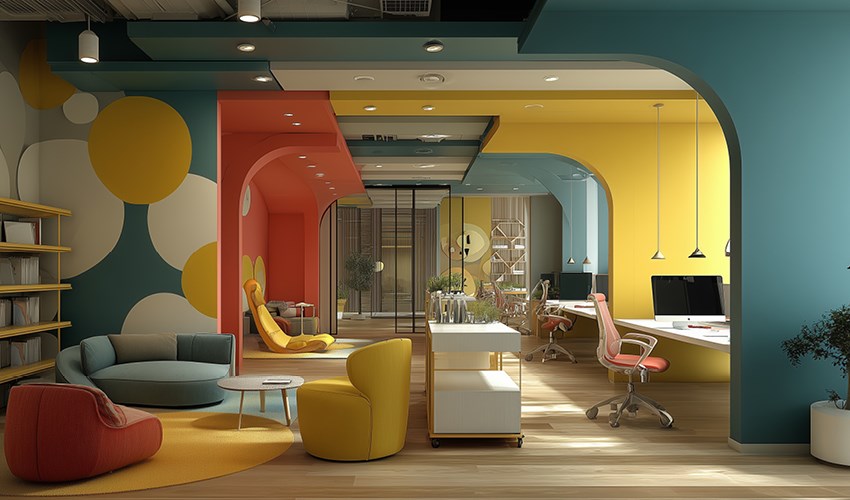
In New Zealand, that rhythm has been changing. Once upon a time, an office was a box for work: desks in rows, carpet tiles in shades of grey, perhaps a framed print of somewhere more inspiring. But the last decade - helped along by hybrid schedules and shifting priorities - has made the workplace less of a container and more of a mirror. The best offices now don’t just house a culture; they express it.
Walk into a growing tech firm and the story tells itself
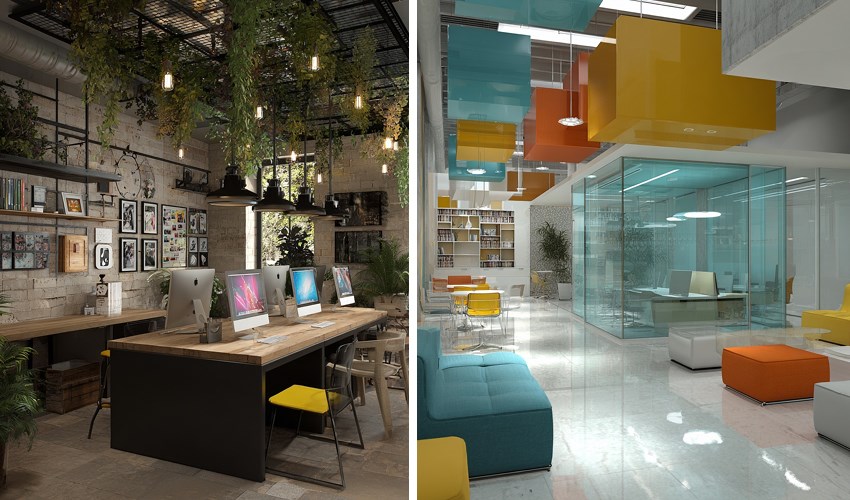
There’s a kind of restless energy, of ideas flying around and finding their form as they go. Whiteboards, mismatched chairs, the scent of coffee and ambition. It’s open, flexible, slightly chaotic - but deliberately so. The space reflects a culture that prizes movement, momentum, and possibility. Everyone seems to be half in conversation, half in creation. The colour is bold, the light bright, the energy infectious, and the boundaries soft.
Cross the city to a financial advisory or legal practice and the tone shifts
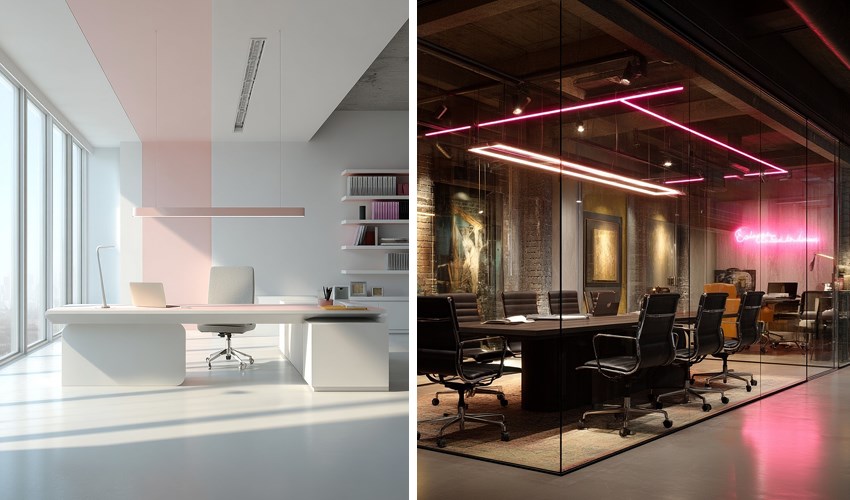
The calm is immediate, the palette muted, the conversations measured. Glass walls divide rather than separate; nothing here is accidental. The space tells a different story - one of precision, clarity and order. Here, trust is built on control, and the architecture quietly enforces it.
Step into an ad agency or design studio and colour does the talking
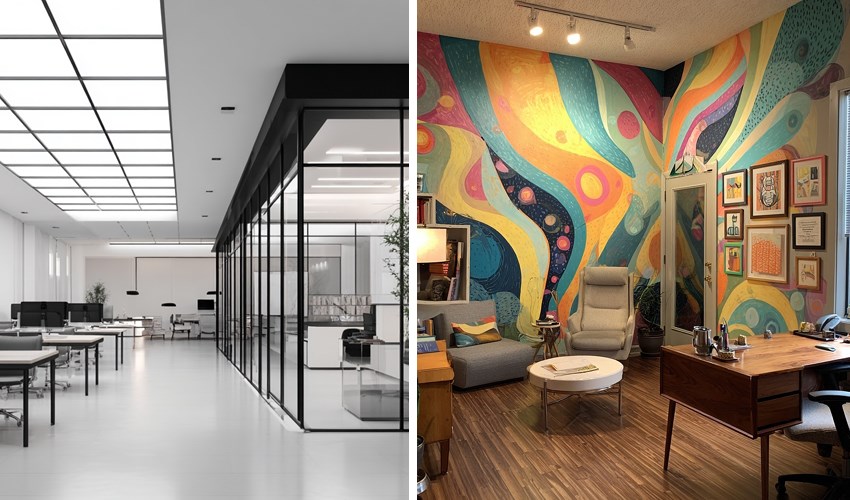
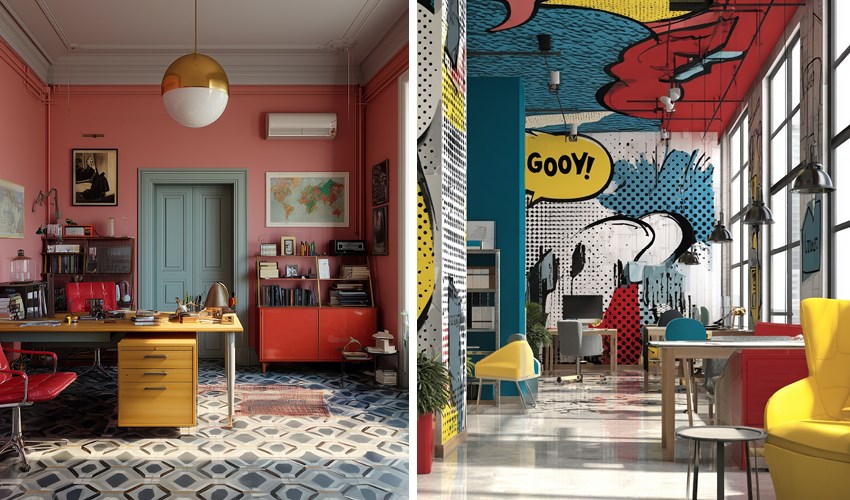
Walls covered in mock-ups, a half-built model on the table, music drifting from somewhere in the back. There’s a looseness that feels intentional - a kind of curated chaos where personality and output blur together. Every detail has a point of view: the fonts, the furniture, the mess that somehow works. It’s not about perfection; it’s about pulse. These are spaces that wear their ideas on their sleeves, and their culture in plain sight.
Then there are the places that resist any blueprint at all
Startups, non-profits, or family-run firms where the culture is stitched together over years of shared lunches and late nights. The décor might be uneven, the plants real but unruly, the kitchen table doubling as a meeting space. But everything about it feels genuine. These offices may not feature in design magazines, yet they hum with belonging. The story is personal, lived, unpolished - and stronger for it.
What all these environments share is intent
A recognition that space speaks - not as a marketing tool, but as an extension of leadership. The lighting, the layout, the level of noise: each one shapes behaviour, whether consciously or not. A workplace can encourage collaboration or protect focus, inspire confidence or provoke anxiety. The best ones strike the balance instinctively.
Authenticity doesn’t need a budget; it needs alignment. When the look and the language match the way people actually work, the space tells the truth.
And that’s what stays with you. The most memorable workplaces don’t shout. They simply reflect the people inside - what they value, how they think, and how they move together through the day. Culture isn’t on the walls. It’s in the walls